
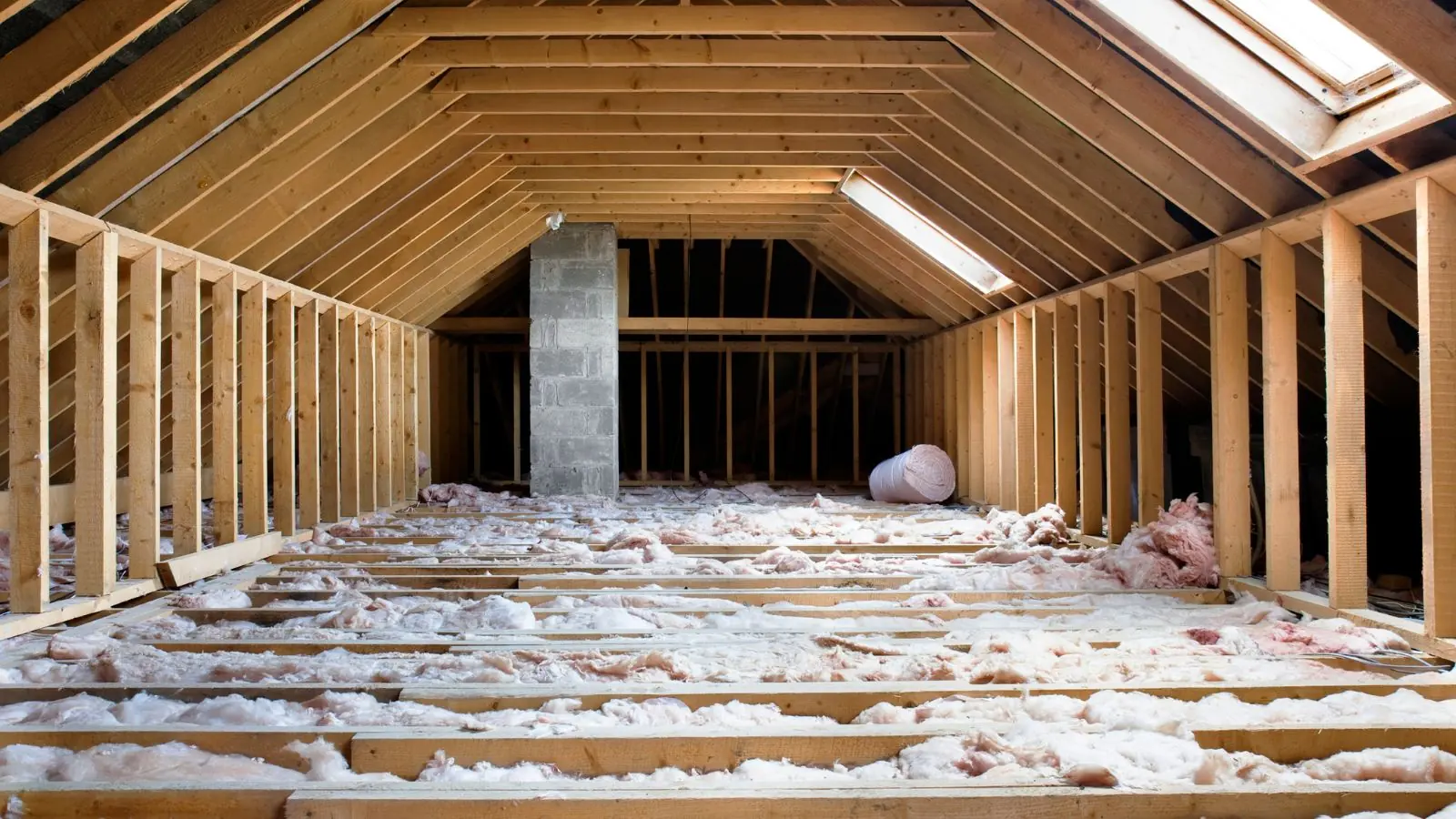
Rain that slips past flashing, a vent, a skylight, a worn covering or a ponding flat roof soaks everything beneath it. Roof leak water damage cleanup in Twentynine Palms, CA covers that part: wet attic insulation, stained or sagging ceilings and damp framing. Our 24/7 dispatch line takes these calls, and a roofer fixes the roof itself.
These leaks surprise people because roofs sit dry for months. Per NOAA 1991 to 2020 normals, a year here brings roughly 3.87 inches of precipitation, so a weak spot can go untested for a long stretch and then meet one hard downpour. That is why the first stain often shows up after the first big storm of the season, even though the opening has been there far longer.
How a dry-climate roof ends up leaking
Low-slope and flat roofs shed water slowly, so rain pools near drains and seams and finds any crack. Pitched roofs tend to fail at flashing around vents and chimneys, at skylight edges, and where the covering has worn or lifted. A roofer can tell you which one applies to your house.
Sun adds to the wear. The NOAA July normal high for Twentynine Palms is 104.0 F, so a roofer will look at how worn the surface and sealants are when tracing a leak.
San Bernardino County Public Works filed a notice with the state saying heavy monsoon rain in July 2024 caused significant flooding, primarily in Twentynine Palms. The notice covers roads and flood control facilities, not roofs, but a storm that heavy tests every roof in town. A stain that appeared afterward should be treated as a live leak.
Reading the ceiling and attic
A stain is only the part of the leak that reached the surface. The wet area above it is usually larger, which is why crews trace it with meters and a thermal camera before anyone decides what to cut.
| What you see | What it usually means | What happens next |
|---|---|---|
| Brown ring that grows after rain | Roof opening above, water passing through insulation | Crew maps the wet area, roofer finds the entry point |
| Bulging or sagging drywall | Water has pooled on the ceiling board | Wet section is removed once the area is safe |
| Matted, dark or heavy attic insulation | Water has come in during more than one storm | Wet insulation is bagged and removed |
| Drip at a light fixture or fan | Water is inside the wiring path | Stay clear, cut power only from a dry panel, call us |
| Peeling paint high on a wall | Water ran down inside the wall cavity | Wall opened at the top to check |
Water is still spreading? The dispatch line is open around the clock.
☎ Call (760) 769-1159Safety steps in the first hour of a roof leak
Water in a ceiling can reach wiring and fixtures. Stay out from under a bulging ceiling and keep people and pets away from drips near lights, fans and outlets. Switch off the breaker serving that room only when you can get to the panel on dry ground.
If you smell gas, see sparks or hear a buzzing fixture, get out and phone 911 or the utility first, then us. Do not climb onto a wet roof. A fall is a far worse outcome than a tarp that waits for a roofer.
Who fixes what: roofer, restorer, insurer
Stopping water at the roof is roofing work, and so is a temporary tarp. We dry, clean and restore the inside. Ask your roofer where the water entered, because that tells the crew which ceiling and wall bays to open.
State insurance regulators suggest covering the opening temporarily to limit more loss, and saving receipts for repairs and cleanup. They also say lasting fixes should wait until your insurer's adjuster has looked at the damage.
How crews dry the inside
First comes mapping. Moisture meters and the thermal camera show how far water traveled across the attic floor and down into the walls. Saturated insulation comes out in bags, since wet insulation stays damp and holds moisture against the framing.
Soaked ceiling drywall is cut out in sections. Air movers push dry air across the exposed framing, LGR dehumidifiers drain moisture out of the room, and HEPA air scrubbers run during dusty demolition. A reputable company can explain how its drying plan lines up with ANSI/IICRC S500, an industry reference on water loss work.
These early steps overlap with stopping damage in the first few days, and once the framing reads dry the finished surface becomes a ceiling repair job. Homes out in Joshua Tree and Landers are served from our Twentynine Palms base too.
Mistakes that make a roof leak cost more
A ceiling that looks dry from below can still sit on damp insulation, and that is where a repeat stain begins.
- Calling it fixed once the stain dries
- Painting before the attic and framing are checked
- Leaving wet insulation because the ceiling looks fine
- Making permanent repairs before photos and the insurer's review
What shapes the cost of a roof leak cleanup
Two leaks that look alike from the living room can need very different work. These are the things that set the scope.
Size of the wet area
A single bay of ceiling is a small job, while water that ran across the attic and down two walls is a larger one.
Insulation involved
The more insulation is soaked, the more there is to remove, bag and haul away.
Ceiling type and height
High or vaulted ceilings and heavy texture take more setup and labor to open and close.
Attic access
A tight hatch or low crawl space slows the removal and the drying setup.
Time since the leak began
A leak caught in a day or two dries differently than one that has soaked framing for weeks.
A general note on insurance
A sudden opening in the roof during a storm is often treated differently from a slow leak that has gone on for months. Storm damage that arrives suddenly is often covered, while wear and slow seepage often are not. Read your policy, then ask the insurer separately about the roof, the interior and the drying.
The roof repair is the roofer's job and the interior drying is ours, so expect two invoices. Keep both, along with receipts for any temporary cover.
You get the scope and price in plain words before tear-out starts.
Frequently asked questions
Is emergency roof leak cleanup available in Twentynine Palms?
Yes. The line is answered 24/7, through the small hours and over weekends, and we send a crew the same day when one is open. No arrival time is promised. While you wait, keep clear of drips near wiring and set out buckets.
Should I get on the roof to cover the leak myself?
Not on a wet roof. A roofer handles tarping and repairs, and a fall is a bigger problem than a stain. Your job is to keep the inside safe, photograph the damage and keep receipts.
Why did my roof leak in a storm when it never leaked before?
Roofs here can go months without meaningful rain, so a small gap may never be tested until a heavy monsoon downpour. Finding the entry point is a roofer's job, not a restoration crew's.
Can water sit in my attic without a stain on the ceiling?
Yes. Insulation can absorb a lot before water reaches the ceiling board, so a clean ceiling does not prove a dry attic. Crews use moisture meters and thermal imaging to check without tearing everything open.
Still have a question about your situation? Dispatch answers 24/7.
☎ Call (760) 769-1159