
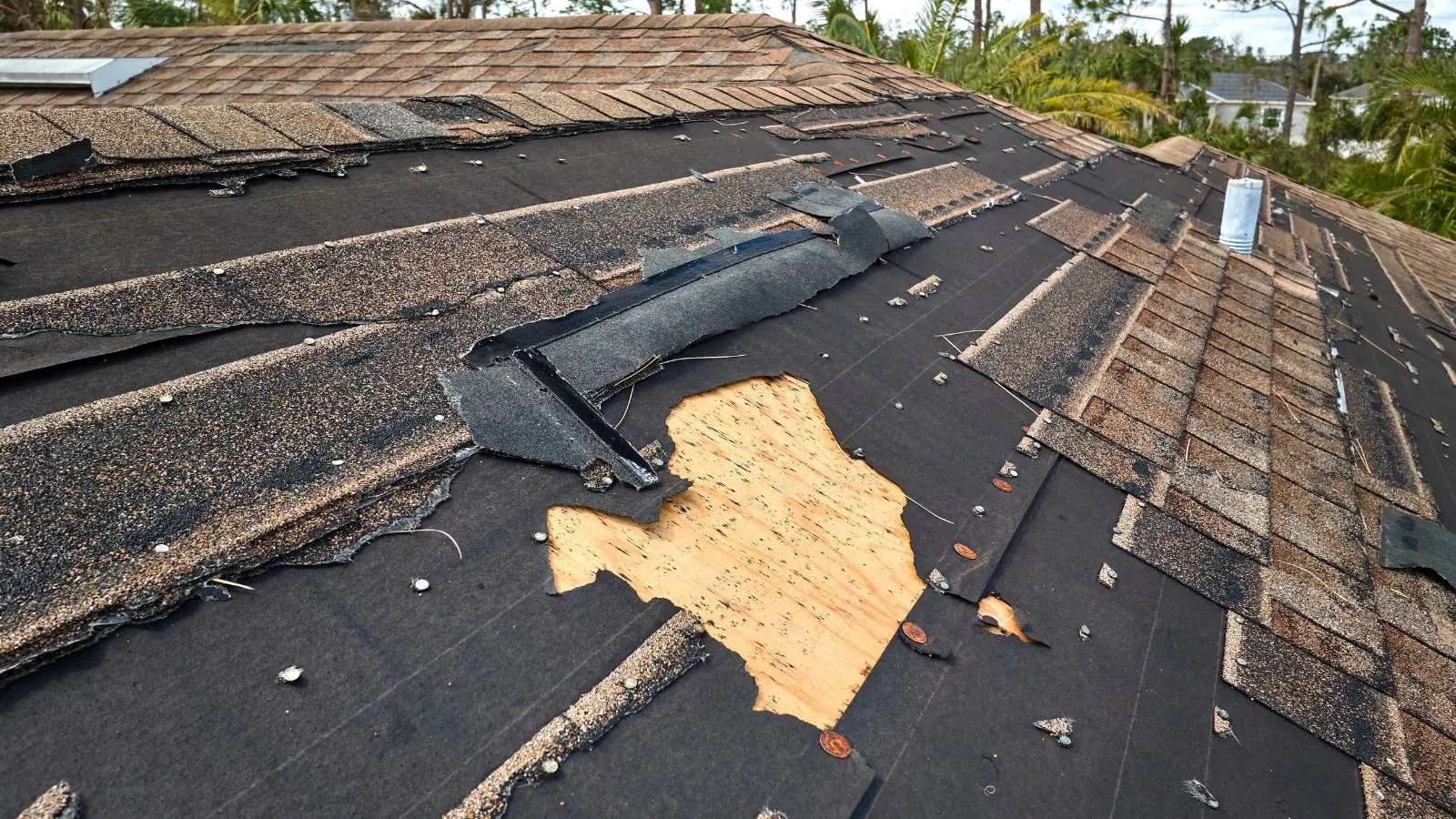
Storm water damage is what a thunderstorm leaves inside a home: rain driven under doors and around windows, mud and silt carried in by runoff, water through a roof edge or an evaporative cooler opening, and an outage that spoils food. Storm water damage cleanup in Twentynine Palms, CA starts with safety, then photos, then pumping and mud removal. Our 24/7 line takes these calls.
The National Weather Service in Phoenix says the monsoon season officially runs from June 15 through September 30. NOAA normals list a yearly total near 3.87 inches here, mostly from summer thunderstorms. One big cell can drop a large share of that on dry ground in a short time, so the problem is flash runoff, not steady rain.
The first 48 hours after a storm cell
Cleanup follows an order, and the order matters. Scrubbing before the mud and water are out only spreads the mess around.
- Stay out until power and water hazards are handled, then photograph everything
- Pump out standing water with submersible pumps, then extract the rest
- Shovel and bag mud and silt before it dries into a crust
- Remove soaked pad, drywall and insulation that cannot be saved
- Set air movers and LGR dehumidifiers and take moisture meter readings each day
- Treat and deodorize surfaces that stay, then rebuild
Mud, silt and why runoff is different
Runoff carries soil, debris and whatever it crossed on the way in, so mud inside a home is not the same as clean rain. Water coming in from outside counts as Category 3 under the published ANSI/IICRC S500 standard, which is why soaked pad and drywall are usually removed.
Standing water that has to go right now is pump-out and extraction work. When the water rose from the ground in larger volume, flood restoration after a bigger event covers the added steps.
Water is still spreading? The dispatch line is open around the clock.
☎ Call (760) 769-1159What Twentynine Palms storms have done before
The National Weather Service in San Diego keeps a history of significant Southern California weather, and it lists thunderstorm floods in Twentynine Palms in 1943, 1963 and 1967. The 1943 entry describes about as much rain in roughly three hours as NOAA normals give in a whole year. The 1967 entry has Highway 62 washed out east of town, and the 1963 entry has water and debris entering homes and yards.
The source says its list is not complete, so treat it as a sample. The practical point is that mud in houses is a repeat pattern here, so keep a belongings list ready before monsoon season.
A 2014 flash flood, reported by Z107.7 local news, followed about 45 minutes of heavy rain. Drivers needed swift-water rescues on Adobe Road and Bagley Road, part of Larrea Road washed out, and roughly 2,000 homes and businesses went dark after at least 14 poles fell. For a homeowner the lesson is the outage, because pumps and refrigerators stop while the water sits.
What you see after the storm
Read the signs before you haul anything out.
| What you see | What it usually means | What to do |
|---|---|---|
| Mud line on walls or silt film on the slab | Runoff entered the house | Stay out of standing water, photograph, then call for extraction |
| Water under exterior doors or around windows | Wind-driven rain pushed past the seals | Towel up, move contents, call if floors or walls are wet |
| Wet ceiling or dripping attic | Roof edge or vent let rain in | Keep clear of fixtures, a roofer covers the roof |
| Water around an evaporative cooler | Rain came through the cooler opening or duct | Shut the cooler off, an HVAC technician handles the unit |
| Pooled water at the slab edge | Runoff collected outside | Pump out and check thresholds |
Storm safety: floodwater, power lines and generators
The CDC advises staying out of floodwater, since it can contain germs, chemicals and other hazards. That includes the muddy water in a garage or yard. The National Weather Service says never drive through a flooded roadway, and its slogan is "Turn around, don't drown." Only 1 to 2 feet of water can float most vehicles, SUVs included.
Keep away from downed power lines and call 911 or the utility. Stay out of any room where water reached outlets, appliances or the panel. Cut power only from a dry panel you can reach without stepping in water. A gas smell means leave and call the utility or 911 before you call us.
If you run a generator, keep it outdoors and well away from doors and windows, and never plug it into a wall outlet. Wait for an electrician if the panel got wet.
Mistakes to avoid after a storm
Most storm cleanups get harder because of a rushed first hour.
- Throwing out belongings before photographing them
- Mixing bleach with any other cleaner, which the CDC says never to do
- Cleaning mold without an N95 respirator, goggles and gloves, as the CDC advises
- Leaving wet drywall and pad in place for days
Crews, roads and where we travel
Out-of-town calls to Joshua Tree and Landers start from Twentynine Palms too. Washed-out roads can change a trip, so tell dispatch what you see on your street.
What drives the cost of storm cleanup
Storm jobs vary more than most. These five things set the scope once crews see the house.
Depth and volume of water
A film under a door and several inches across a floor need very different pumping and drying.
Mud and silt load
Heavy silt takes shoveling and hauling before drying can start.
Porous materials soaked
Pad, drywall and insulation that touched runoff are generally removed and replaced.
Outage and drying days
A power outage can stretch the days that equipment has to run.
Access and contents
Washed-out roads, tight rooms and heavy furniture add time.
A general note on insurance
The California Department of Insurance says homeowners policies do not cover flood damage but may cover other kinds of water damage. Rain driven through a storm-damaged opening, runoff in the yard and groundwater can each be treated differently, so ask your insurer which applies. The CDC also advises contacting your insurer and taking pictures before cleanup.
A roofer, window installer or HVAC technician fixes the opening where the rain came in, and we dry and restore the interior. Keep photos, receipts and a list of what was lost for each.
Call from a dry spot and ask for the scope and price before crews start.
Frequently asked questions
Is emergency storm water cleanup available in Twentynine Palms?
Yes. Dispatch picks up 24/7, including holidays and the middle of a thunderstorm, and a crew is sent the same day when one is available, with no promised arrival time. Tell dispatch about road conditions and standing water so they can plan the visit with you.
Is flash flood mud different from regular water damage?
Yes. Mud and silt from outside carry soil and contamination, so the water is treated as the most contaminated category and porous materials are usually removed. Mud is shoveled out first, then the building is dried.
Can I clean up with bleach after storm water gets in?
The CDC says never to mix bleach with any other cleaner. Before cleaning mold, it advises wearing an N95 respirator, goggles and gloves. Ask the crew what products they use, and take health questions to your physician.
Is it safe to drive to the house after a storm to check on it?
Not if roads are flooded. The National Weather Service says never drive through a flooded roadway or around barricades. If you cannot reach the house, call dispatch and tell them what you know.
Still have a question about your situation? Dispatch answers 24/7.
☎ Call (760) 769-1159